Let it Be
A Natural Event, Not an Emergency
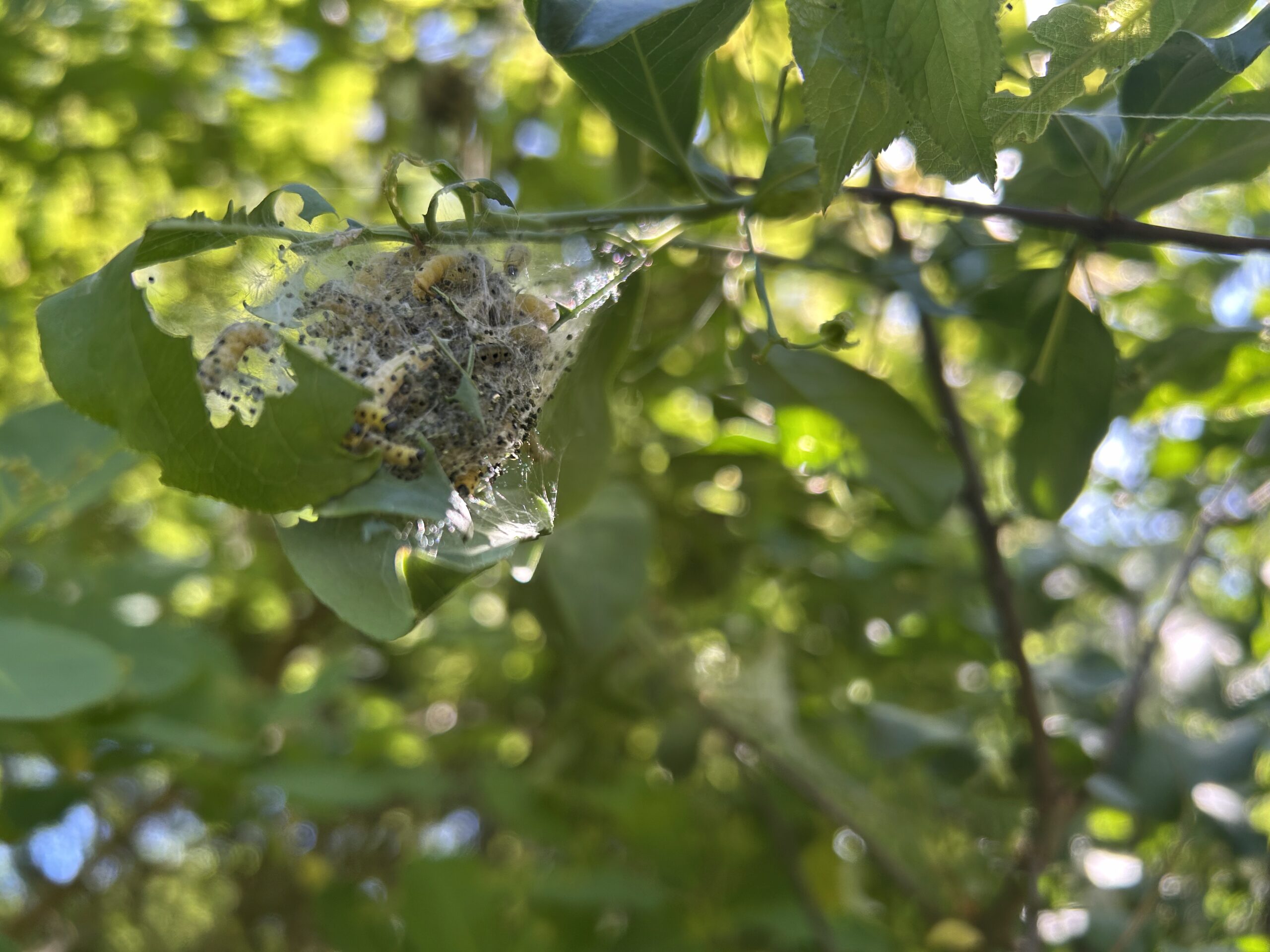
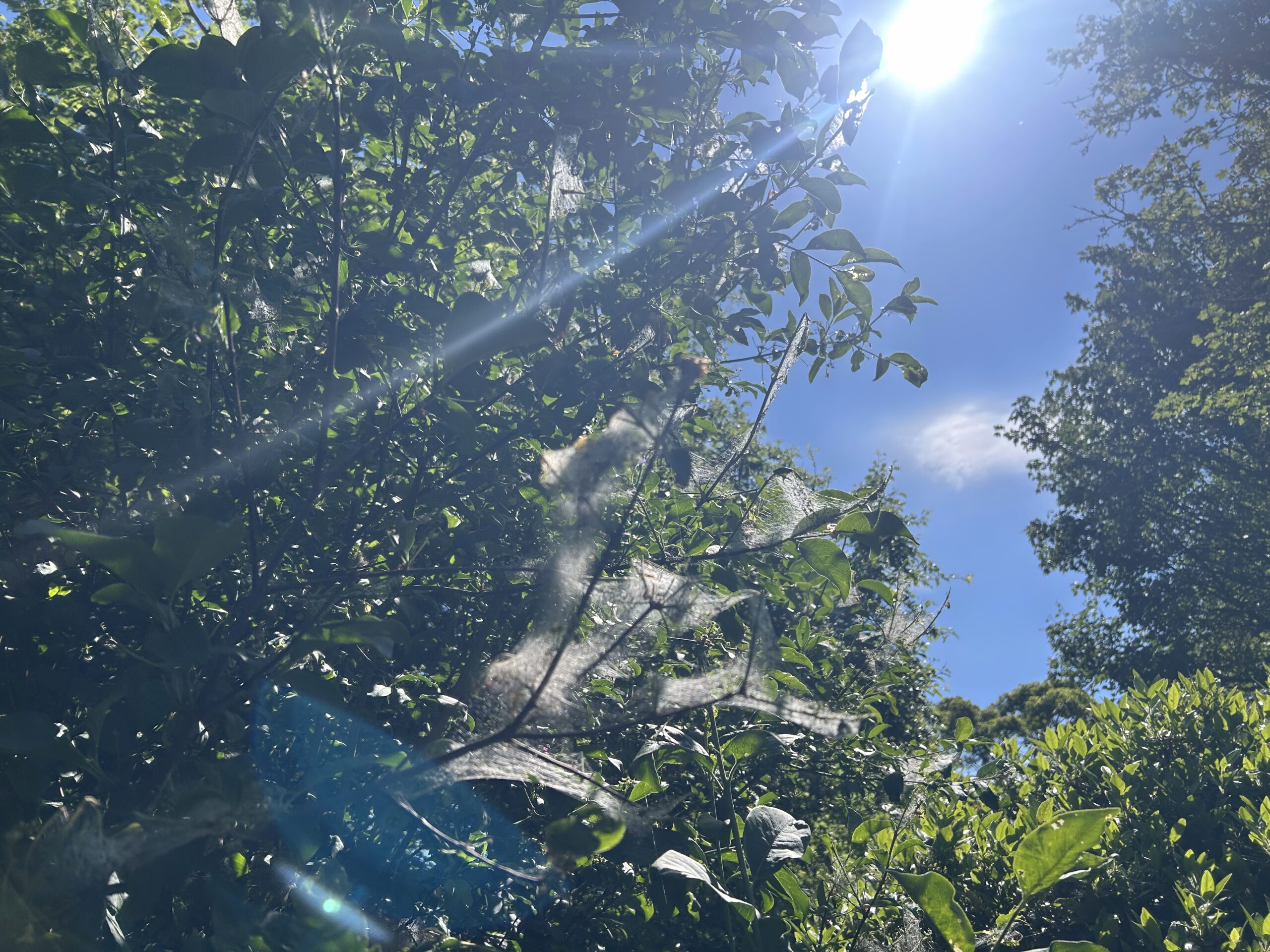
A tree in the wilderness area at National Trust’s Ham House is wrapped in silk. From a distance, it looks like Halloween decorations. Many dense white web shrouding the branches, clinging to the twigs like an early snowfall that forgot to melt.
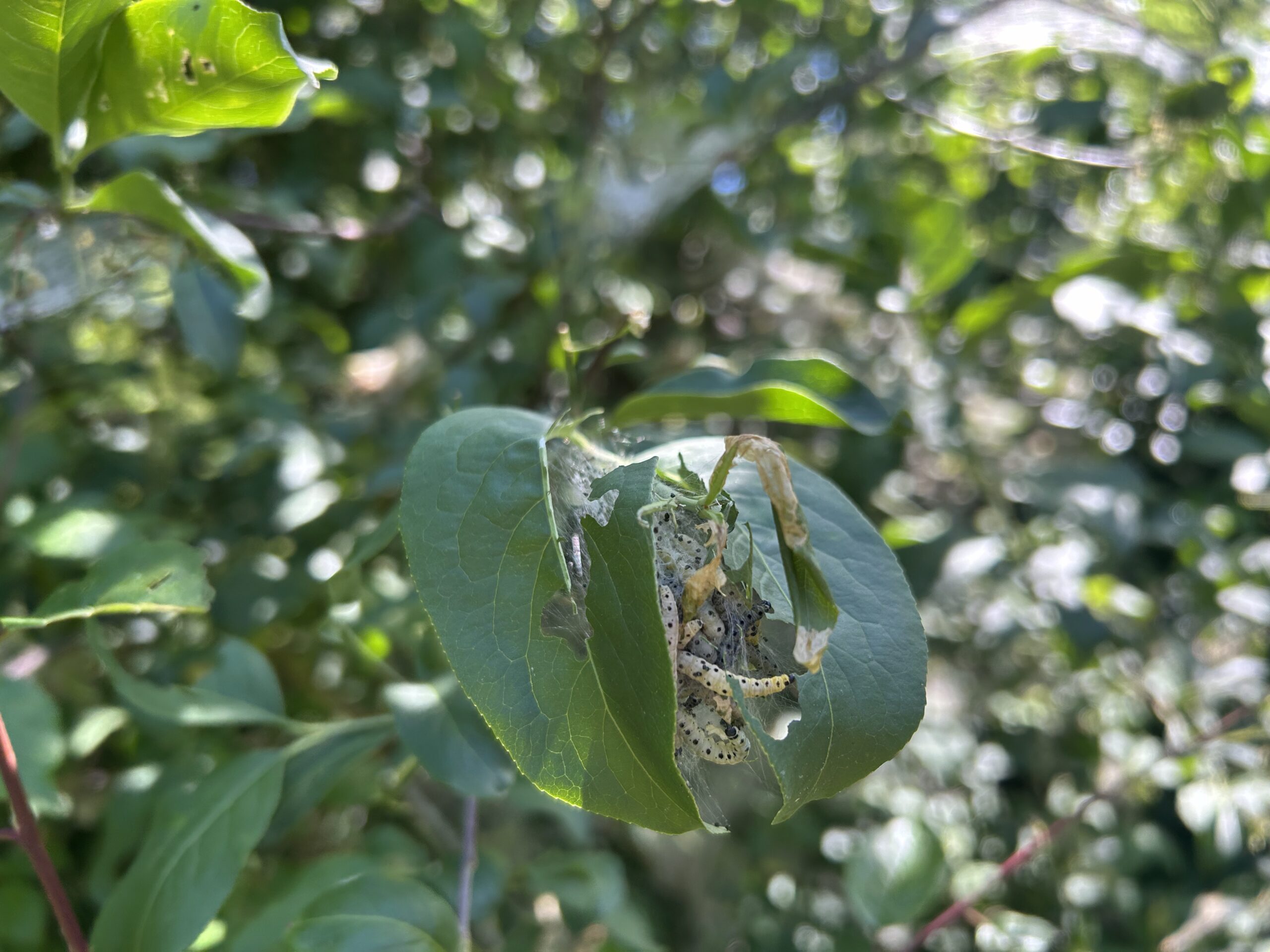
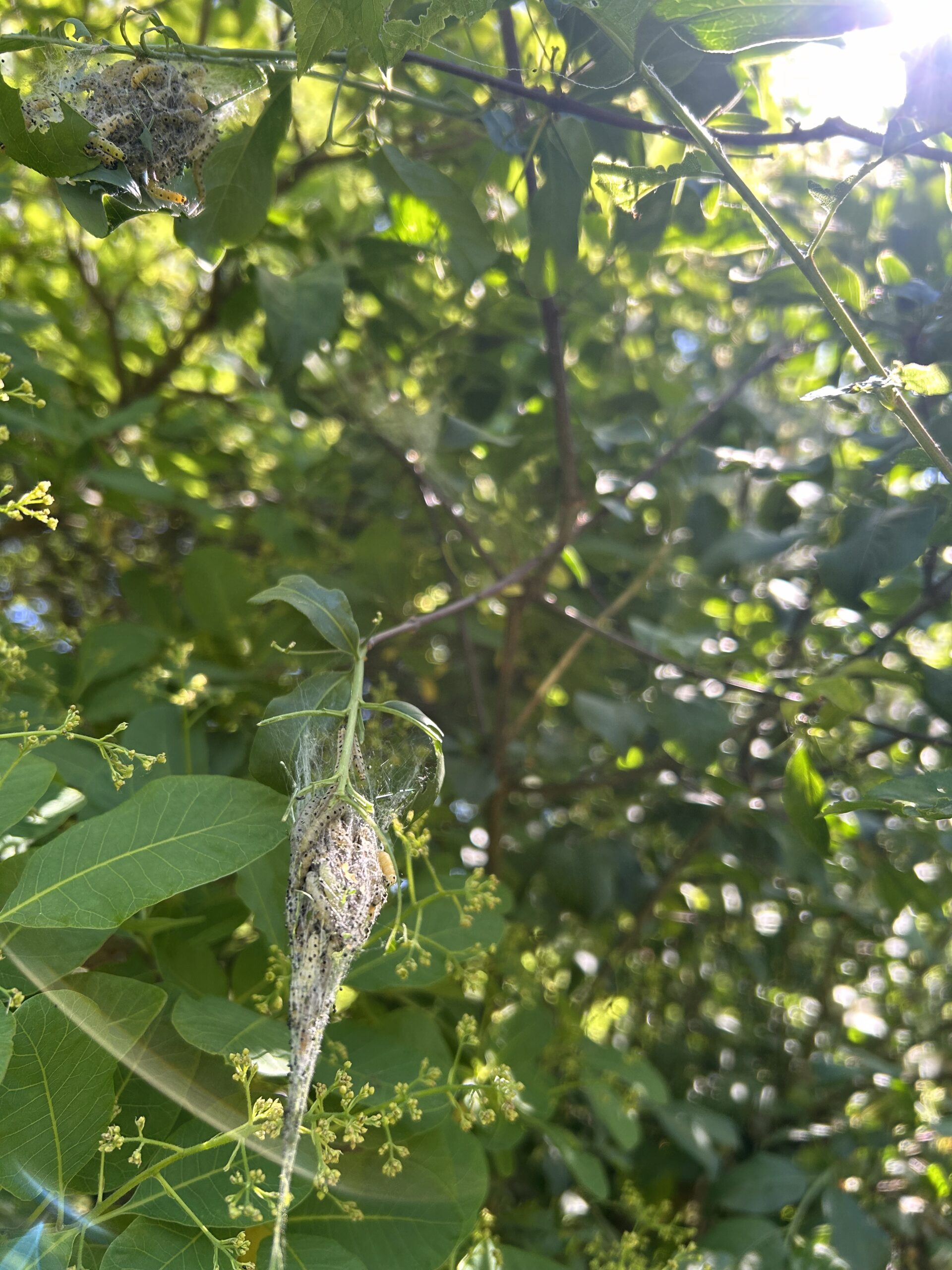
Get closer (zoom in) and you can see the movement inside. Hundreds of tiny caterpillars, dark-headed and pale-bodied, crawling over each other in a slow, seething dance. This is the ermine moth in its larval stage. The wings will come later. For now, there is only the web and the work of eating.
This is not a sign of disease. It is not a disaster. It is a life cycle. The caterpillars will pupate. The moths will emerge. The cycle will continue elsewhere.
The head gardener there instructs everyone to leave the tree alone. No cutting. No spraying. No panic.
There are plenty of trees in the wilderness area. This one will look dramatic for a few weeks, then leaf out again.
Lessons from Wilderness
The Birds Will Come
The caterpillars will not all survive. That is part of the cycle too.
Birds know about this web long before any human notices it. Great tits, blue tits, robins, and other garden birds will pick off the caterpillars one by one. A single family of tits can consume hundreds of caterpillars in a day. The web offers some protection, but not complete safety. The birds will find a way in.
This is not a tragedy. It is the ordinary machinery of a healthy ecosystem. The caterpillars feed the birds. The birds feed their young. The young birds grow and sing and raise their own broods next year. Some caterpillars become moths. Some become food. Both outcomes serve the larger pattern.
Stepping Back
The wilderness area at Ham House is not a formal garden. It is not manicured or perfectly arranged. It is a space where things are allowed to happen. A tree full of caterpillars. A web shining in the morning light. Birds arriving to feed. None of this requires human permission or intervention.
That is the quiet lesson of this place. Nature does not need us to manage every outbreak. It has its own checks and balances.
How often do I see a problem where none exists? How often do I reach for a solution when patience would serve better? How often do I forget that nature has been running itself for millions of years without my input?
The ermine moths are not asking for my help. The tree is not asking to be saved. The birds are not asking for an invitation. Everything is already in motion. My role is simply to watch, to learn, and to step back when stepping back is the right thing to do.
So let them be. Watch the web shimmer. Watch the caterpillars crawl. Watch the tits pick their way through the silk. Wait for the white wings when their time comes. The garden knows what it is doing. It always has.
When Intervention Is Necessary
Let’s be clear about something. The ermine moth caterpillar is harmless to humans. You can stand close to the web, touch the branches, brush against the caterpillars, and nothing will happen. They have no interest in you. Their only concern is the tree.
The same cannot be said for the oak processionary moth. That species is a different story entirely. Its tiny hairs contain a protein that can irritate the skin, causing rashes and itching. Inhaled, those same hairs can reach the lungs and cause serious respiratory problems. That moth requires a different response: physical removal of the nests, or in the worst case, spraying the tree.
Understanding the difference matters. One moth is a spectacle. The other is a hazard. Nature offers both, and a responsible observer learns to tell them apart.